In today’s fiercely competitive business environment, building strong customer relationships is no longer optional; it is essential. Companies across industries are turning to CRM, or Customer Relationship Management systems, to gain a competitive edge by better understanding their customers, streamlining interactions, and driving sales growth. But what exactly is a CRM, how does it work, and why is it so critical for business success? This comprehensive guide will take you through the fundamentals of CRM, popular systems, benefits of building a custom CRM, the development process, and emerging future trends that are reshaping the way businesses engage their customers in 2025 and beyond. Whether you are a business leader, marketer, or IT professional, understanding CRM technology can empower you to leverage data-driven customer insights and automation which transform customer experiences and accelerate growth.
What is a Customer Relationship Manager (CRM)?
A Customer Relationship Management (CRM) system is a software platform designed to help businesses manage their interactions with existing and potential customers. It centralizes all customer data such as contact details, communication history, purchasing behavior, and service requests into a single database accessible to relevant teams across the organization. The ultimate goal of a CRM is to provide a 360-degree view of the customer, enabling personalized communication and tracking every touchpoint throughout the sales and support lifecycle.
CRMs function as an organizational hub that streamlines sales, marketing, and customer service. By gathering data and automating manual processes, CRMs empower teams to nurture leads, close deals faster, and deliver timely, targeted customer support. This coordinated approach results in stronger customer relationships, increased retention, and higher customer lifetime value.
What Does a CRM Do?
At its core, a CRM delivers the following critical capabilities:
- Lead and Sales Pipeline Management: CRMs organize leads, track their progress through your sales funnel, assign tasks to sales reps, and forecast revenues. This automation ensures no opportunity is missed and sales teams stay focused on closing deals.
- Marketing Automation: Modern CRMs integrate tools for creating and managing personalized email campaigns, segmenting customers by behavior or demographics, and tracking campaign performance in real-time.
- Customer Service Automation: Service teams use CRM to record customer issues, assign support tickets, track resolution times, and access customer interaction history to provide efficient, consistent service.
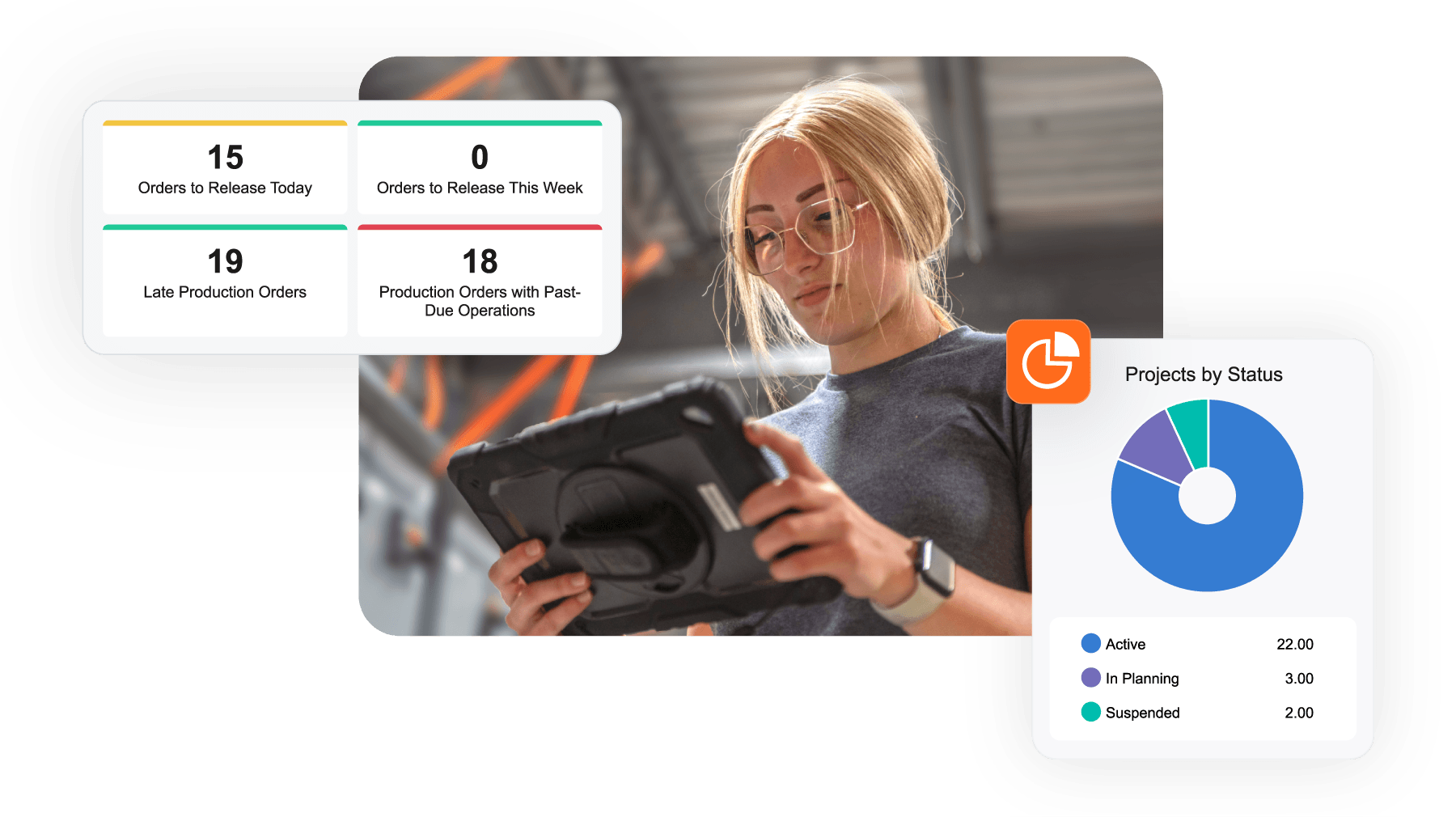
- Data Centralization and Analytics: By storing all customer interactions in one system, businesses gain powerful insights from analytics dashboards that inform sales strategies, identify upsell opportunities, and measure customer satisfaction.
- Collaborative Workflows: CRMs enable cross-department collaboration by sharing updated customer data, automating task assignments, and facilitating real-time communication.
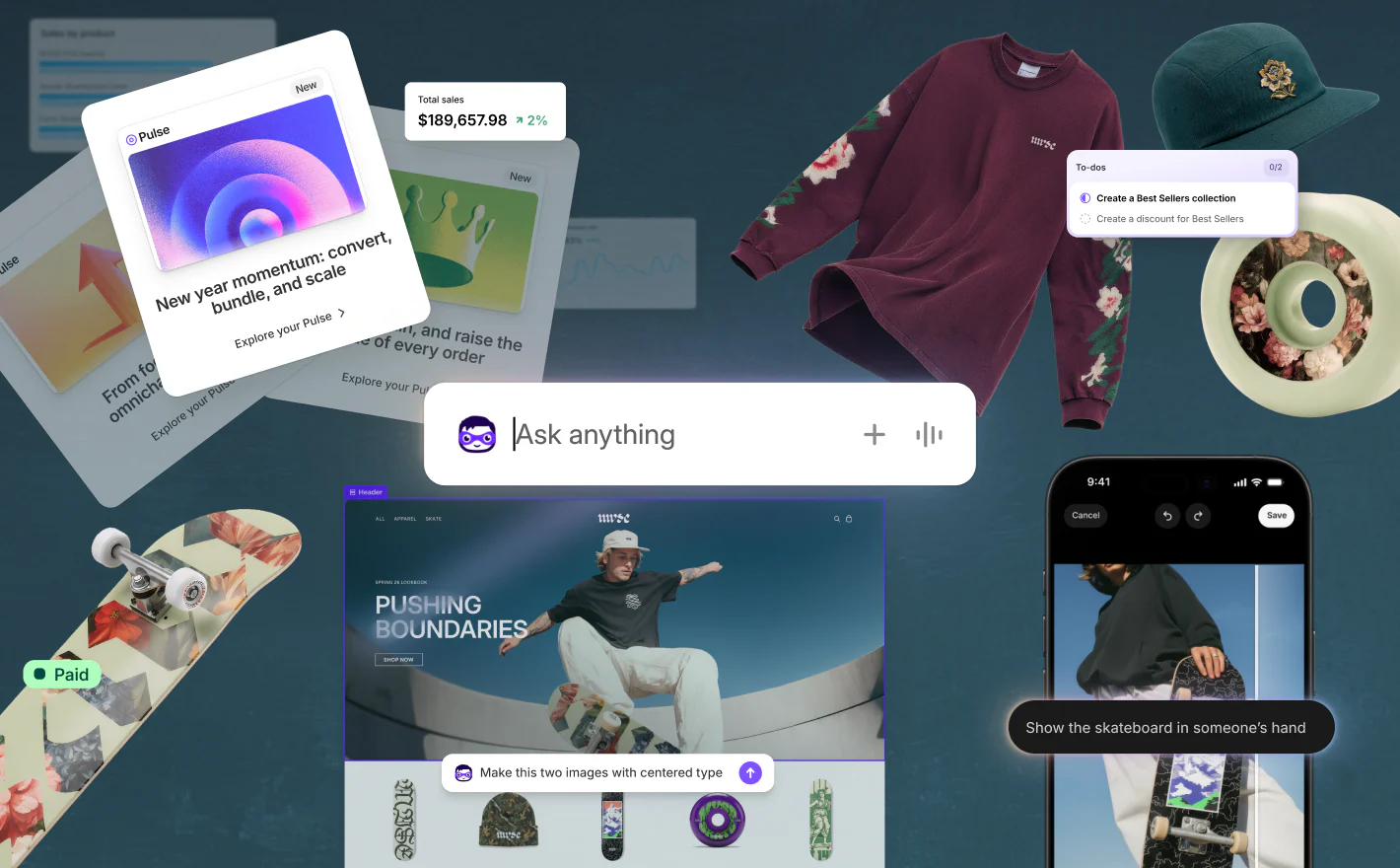
- Artificial Intelligence Enhancements: AI capabilities in CRMs deliver predictive analytics, personalized recommendations, chatbots, and workflow automation helping businesses anticipate customer needs and optimize engagement.
Together, these functions transform disparate customer information into actionable intelligence, making CRMs indispensable for businesses aiming to scale efficiently with a customer-centric approach.
Some Popular CRM Systems in 2025
Choosing the right CRM system depends on business size, industry, and specific needs. In 2025, several leading CRMs dominate the market:
| CRM System | Key Features | Best For |
|---|---|---|
| Salesforce Sales Cloud | Highly customizable, extensive app ecosystem, AI-powered analytics | Enterprises and scaling businesses |
| Microsoft Dynamics 365 | Strong integration with Microsoft products, AI insights, automation | Large enterprises |
| HubSpot CRM | User-friendly interface, marketing automation, free tier available | Startups and SMBs |
| Zoho CRM | Affordable pricing, multi-channel support, AI-based sales assistant | Small to mid-sized businesses |
| Freshsales (Freshworks) | AI-based lead scoring, multichannel communication, automated workflows | Growing companies |
| Pipedrive | Simple, visual sales pipeline, automation features | Small sales teams |
| Zendesk Sell | Integrated customer support and sales tracking | Customer service-focused businesses |
Building a Custom CRM
While many companies choose off-the-shelf CRM software, building a custom CRM allows businesses to design a platform tailored exactly to their unique workflows, data needs, and customer journey. Custom CRMs offer unparalleled flexibility such as integration with internal systems, industry-specific features, and compliance with strict data privacy policies.
Custom development enables embedding advanced capabilities such as:
- Custom sales pipeline stages and automation rules.
- Role-based dashboards and granular access controls.
- Dedicated modules for specific customer channels or product lines.
- Integration with proprietary systems and APIs.
- Adaptive user interfaces optimized for mobile or field teams.
Though initially more resource-intensive, custom CRMs provide a competitive advantage by enhancing internal efficiency and delivering unique value to customers based on personalized service models.
Benefits of Building a Custom CRM
- Tailor-Made to Your Workflows: Align CRM functionalities exactly with how your teams work, eliminating unnecessary features and manual interventions.
- Enhanced Data Security: Implement security standards and compliance measures suited to your industry and regional laws.
- Improved Customer Insights: Design custom analytics that highlight your most important customer behaviors and trends.
- Automation of Repetitive Tasks: Save time by automating frequent tasks and communications unique to your business.
- Scalability and Adaptability: Grow and evolve your CRM as your business changes without reliance on vendor product roadmaps.
- Increased Adoption: Teams engage more effectively with a tool that feels intuitive and purpose-built.
The CRM Platform Development Process
- Define Goals and Requirements: Collaborate with stakeholders to clarify business challenges, must-have features, user roles, and KPIs.
- System Design and Architecture: Plan the data model, user interface, system integrations, and security protocols.
- Technology Selection: Choose frontend, backend, database technologies, cloud infrastructure, and relevant AI tools.
- Core Module Development: Build contact management, lead tracking, marketing automation, customer support, and reporting modules.
- Integrations: Connect email services, payment gateways, ERP, and other business systems.
- Automation and AI Implementation: Add machine learning models for predictive analytics, smart task automation, and customer segmentation.
- Testing and Quality Assurance: Conduct thorough testing including unit, integration, and user acceptance testing.
- Deployment and Training: Launch the CRM and provide comprehensive training and support to end users.
- Continuous Improvement: Use feedback and analytics to incrementally enhance features and user experience.
The Future of CRMs
- Artificial Intelligence: AI-driven CRMs deliver hyper-personalized customer journeys, predictive sales forecasting, and automated customer support.
- Unified Customer Data Platforms: Combining data from multiple channels for an omnichannel, consistent customer experience.
- Voice and Conversational Interfaces: Voice assistants and chatbots integrated into CRMs for seamless customer communication.
- Increased Automation: Automating not only sales and marketing workflows but complex business processes.
- Advanced Analytics and Insights: Real-time behavior analysis and tailored recommendations guiding strategic decisions.
- Mobile and Remote Access: Mobile-optimized CRMs enabling field sales and remote teams to stay productive anywhere.
Companies that adopt these innovations gain agility, deeper customer understanding, and improved retention rates, positioning themselves for long-term success.
In conclusion, a Customer Relationship Management (CRM) system is much more than just software; it is a strategic tool that helps businesses understand, engage, and delight customers throughout every stage of their journey.
By centralizing customer data, automating key processes, and delivering valuable insights, CRMs empower companies to streamline operations, improve sales outcomes, and foster lasting customer loyalty. Whether you choose a popular off-the-shelf CRM or build a custom solution tailored to your unique needs, investing in CRM technology positions your business for sustainable growth and competitive advantage. Looking ahead, innovations like AI, automation, and unified data platforms will continue to transform how businesses connect with their customers, making the right CRM an indispensable asset in any organization’s toolkit.
Why Partner with Digiteon for Your CRM Needs?
Digitizing your customer relationship management is a strategic investment that can transform your business outcomes. Digiteon offers expert IT staff augmentation services specializing in custom CRM development tailored to your unique business context. Whether you need to build a CRM from scratch, integrate intelligent AI capabilities, or optimize your existing CRM platform, Digiteon’s skilled professionals enable rapid and scalable implementation.
By partnering with Digiteon, you can:
- Access specialized CRM developers and consultants.
- Accelerate your CRM project delivery with expert guidance.
- Ensure customized solutions aligned with your workflows.
- Leverage the latest technologies including AI and cloud platforms.
- Boost team productivity and deliver exceptional customer experiences.
Partnering with Digiteon connects you with top-tier CRM developers and certified specialists ready to bring your CRM vision to life. Our expert CRM developers bring deep technical knowledge, strategic insights, and proven experience in customizing, integrating, and optimizing leading CRM platforms like Salesforce. From custom application development and workflow automation to data migration and ongoing support, Digiteon’s team ensures your CRM system is built for growth, scalability, and seamless user adoption. Backed by flexible engagement models and a commitment to quality, we help you accelerate your CRM projects while protecting your data and maximizing ROI. Don’t let outdated CRM systems hold you back from achieving exceptional customer relationships—contact Digiteon today to schedule a free consultation or request a demo, and empower your business with CRM solutions that deliver tangible results.